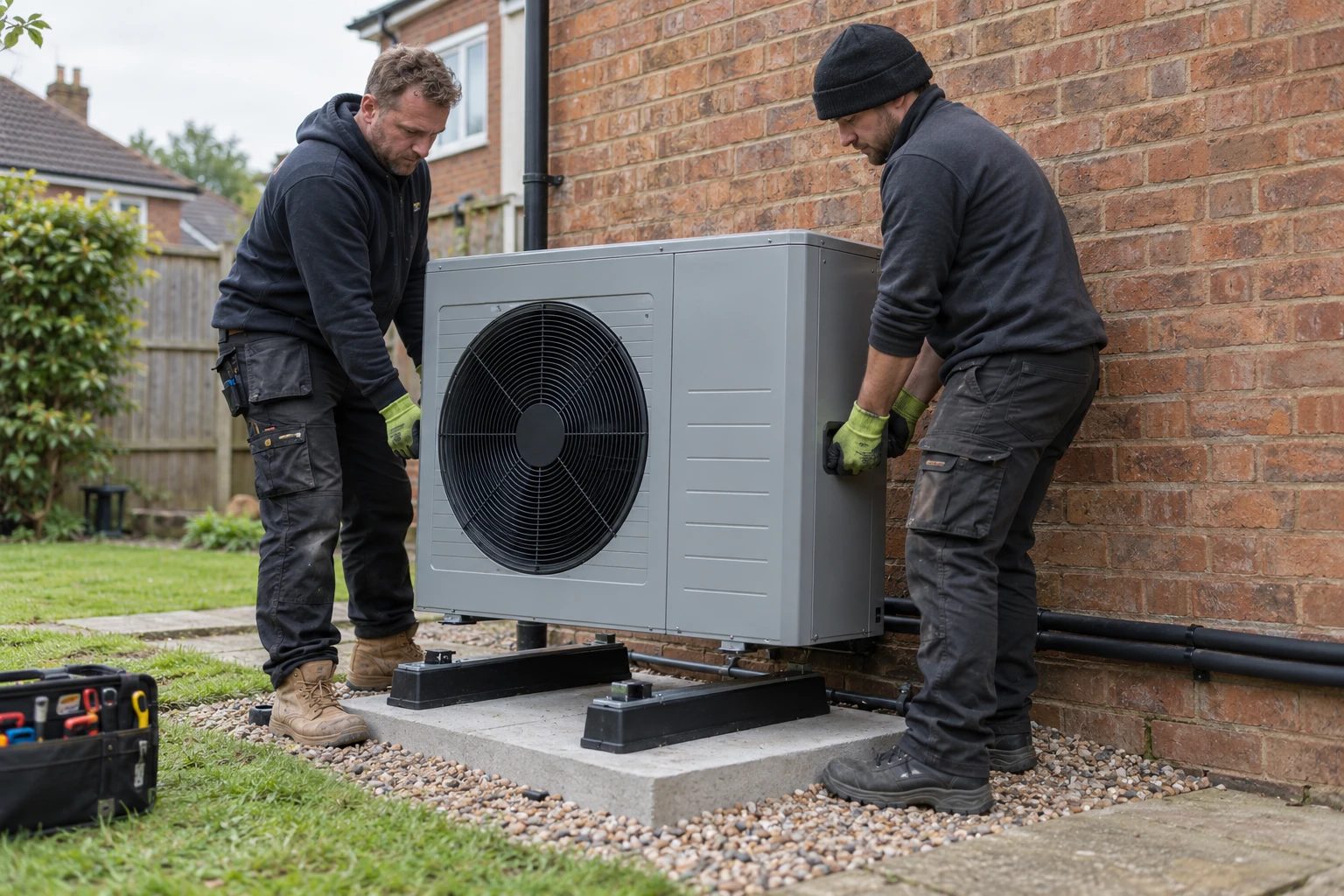
Help Understanding Heat Pump Funding
Boiler Upgrade Scheme Grant Leicester
Find out what grant support may apply to your property.
Help Understanding Heat Pump Funding
Find out what grant support may apply to your property.
The Boiler Upgrade Scheme, or BUS, is a government-funded programme designed to reduce the upfront cost of eligible low-carbon heating installations in England and Wales. For many homeowners considering an air-to-water heat pump, the standard grant is £7,500. Certain qualifying off-gas-grid homes replacing oil or LPG systems can receive £9,000 under the enhanced arrangements available until 31 March 2027.
At Heat Pumps Leicester, we help homeowners understand the main eligibility questions and how the grant fits into an installation quotation. Approval is not automatic, and a grant-funded project must be handled through the official process by an appropriately MCS-certified installer. We believe those details should be clear before anyone makes a financial commitment.

The BUS grant reduces the cost of installing an eligible heating system. It is generally applied as a discount to the installation quotation, with the scheme payment made to the installer after the required conditions have been met. The application process involves the property owner, the installer and the scheme administrator. An appropriately MCS-certified installer must take responsibility for the formal application. The property owner is also asked to confirm certain details and consent to the process. Grant amounts and requirements can change, so a quotation should identify the amount being claimed and make clear what happens if funding is not approved. We discuss these points with homeowners before a proposed installation proceeds.
As of November 2026, eligible air-to-water heat pump installations can receive a standard BUS grant of £7,500. Eligible properties without a mains gas connection that are replacing oil or LPG heating may qualify for £9,000 under the enhanced temporary grant available until 31 March 2027. The higher amount does not apply simply because a property is rural. The existing fuel, gas-grid status, installation type and scheme conditions matter. The grant offered must be checked against the official rules applicable to the application.
The scheme is available to qualifying property owners in England and Wales. Homeowners, landlords and owners of some eligible non-domestic properties may be able to apply, subject to the detailed requirements. Existing heating type, previous funding and property status can affect eligibility. Most newly built developer properties and social housing are excluded under current rules. The scheme can also require a valid Energy Performance Certificate. We recommend checking the latest requirements rather than assuming that an advertised grant applies to every home.
The official BUS process requires an installer certified under the Microgeneration Certification Scheme for the relevant technology. The eligible installer handles the formal grant application and must follow the scheme's technical and administrative requirements. Homeowners should confirm installer certification before signing a grant-dependent agreement. It is also important to understand who is responsible for the application, when consent is requested and how the grant appears on the final quotation. A general promise of government funding is not a substitute for these checks.
An installation quotation should make the gross project cost clear, along with the proposed grant deduction and the remaining amount payable. Work such as radiator upgrades or additional building alterations may influence the overall installation price. For example, a project priced at £12,000 before grant support would have a remaining balance of £4,500 if a £7,500 grant were approved and applied in full. This is an illustration, not a quotation. Actual installation costs and funding decisions will depend on your property and scheme eligibility.
Grant-funded installations involve application and commissioning deadlines. Homeowners should avoid assuming that funding can always be arranged after a heating system has been installed or that an application will definitely be approved. Before committing, check the current scheme requirements, installer certification, written quotation, payment schedule and what happens if an application is refused or expires. Good communication and properly organised paperwork can make the process easier to understand and reduce the risk of unexpected financial decisions.
| Service | Estimated Cost | Average |
|---|---|---|
| Eligible air-to-water heat pump grant | £7,500 funding | £7,500 standard grant |
| Qualifying off-gas-grid oil or LPG replacement | £9,000 funding | £9,000 enhanced grant |
| Heat pump installation before funding | Property-specific quotation | Around £12,000 UK typical cost |
| Grant eligibility discussion | Included in installation enquiry | No standalone grant price stated |
Grant amounts are based on the scheme rules in effect in November 2026. The enhanced £9,000 grant is time-limited and subject to qualifying conditions. Figures shown are funding values or general guidance, not guaranteed savings or a fixed installation quote. Grant approval rests with the scheme administrator.
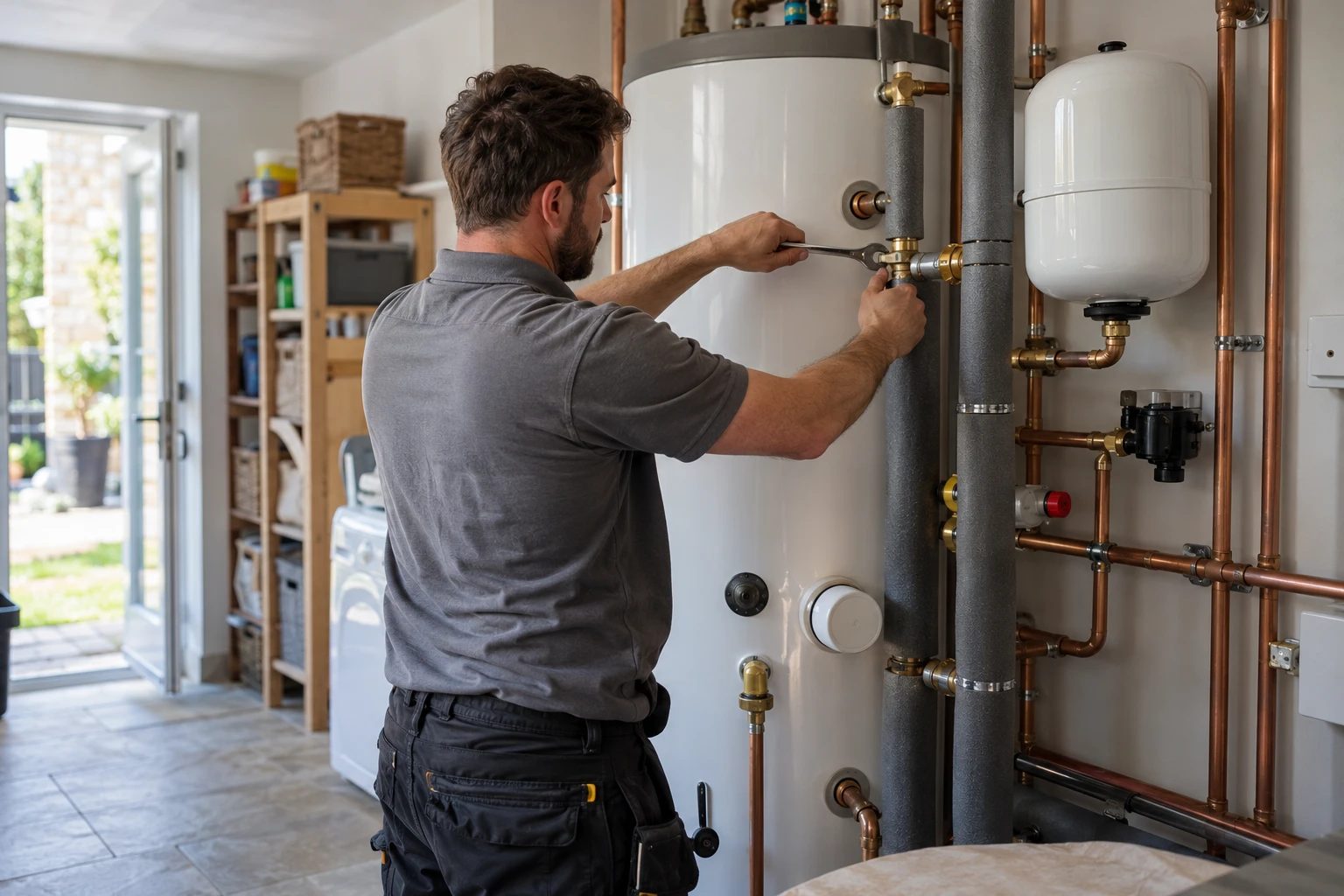
We explain grant terms without making the process sound more complicated or more certain than it is.
We encourage property and installer checks before homeowners rely on a grant in their budget.
We distinguish the full installation price from the potential funding deduction and the amount you may still have to pay.
We consider whether the proposed heating system suits the home, not only whether a grant might be available.
Want to understand whether your Leicester or Leicestershire property could qualify for a BUS grant?
Free — no obligations
We ask about ownership, the existing heating system, location and any previous relevant funding.
We identify the scheme conditions that need formal confirmation and the likely grant category.
An appropriately qualified and MCS-certified installation route must be confirmed for a grant-funded project.
The proposed grant deduction, total costs, payment terms and responsibilities should be explained before acceptance.
The eligible installer handles the application, required evidence, commissioning and redemption steps under the current rules.